










Walk-in showers and wet rooms offer a modern, open-plan aesthetic, and both have become increasingly popular in US homes. But they differ significantly in terms of installation, cost, maintenance, and practicality.
This guide from Rockaya Global covers everything you need to know. From technical installation requirements to day-to-day cleaning, you can make a confident, informed choice for your bathroom.
Understanding the Basics
Before weighing up the pros and cons, it helps to understand exactly what each option involves.
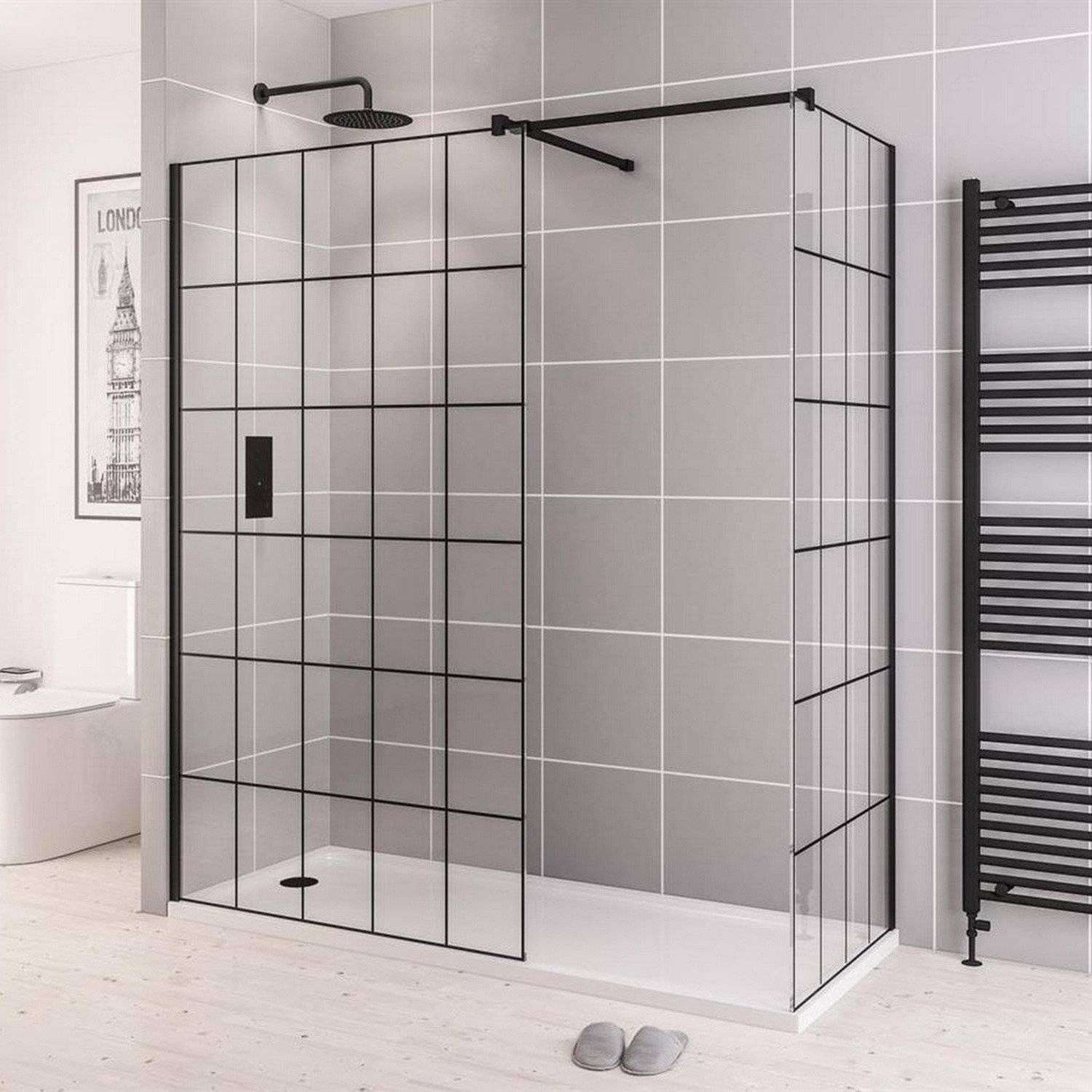
A walk-in shower uses a low-profile shower tray — typically sitting at 25mm or less above floor level — paired with one or more glass panels to contain water within the shower zone. There is no door to open or step to climb over. The water drains through the shower tray waste, and the rest of the bathroom floor stays dry. For a detailed overview of glass panel options, configurations, and size guidance, see our Walk-In Shower Enclosures: The Ultimate Buyer’s Guide.
A wet room, by contrast, is fully open-plan at floor level. The entire bathroom floor is waterproofed (a process known as tanking), and the floor itself is graded with a gentle slope towards a drain. The bathroom has no shower tray; instead, the floor is designed so water can drain away from any area. If you are exploring panel configurations and glass options for a wet room, our guide, How to Choose the Right Wetroom Panel, is a useful starting point.
Design and Aesthetics
Both options deliver a clean, contemporary look that suits modern bathrooms. Frameless glass panels allow light to pass across the room, making the space appear larger. Traditional shower enclosures, with their bulkier frames and hinged doors, break up the visual flow of a bathroom. Walk-in and wet room designs avoid this entirely.
The distinction between wet rooms vs walk-in showers comes down to how defined you want the shower zone to be. Walk-in showers use a tray-and-panel configuration that creates a clear boundary within the room. Wet rooms go further, removing the tray altogether for a truly seamless floor finish from wall to wall. For those seeking the most minimal aesthetic possible, the wet room tends to edge ahead on pure visual impact.
Finish choices play a significant role here. Products like the Vantage Wetroom Panels — available in Chrome, Matt Black, and Brushed Brass — offer striking options to complement any tile scheme or accessory choice. Similarly, the Merlyn 8 Series Walk-In Shower Enclosures feature toughened 8mm frameless glass with Mershield StayClear coating, offering a refined, hotel-style finish.
Accessibility and Safety
This is an area where both options genuinely excel. The “no-step” entry of wet rooms vs walk-in showers removes the trip hazard of a standard shower tray lip, making both suitable for people with reduced mobility, older users, or those requiring easier shower access for children.
Wet rooms have a slight advantage for wheelchair users and those who rely on mobility aids, as the fully level floor means there is no tray to navigate. Walk-in showers, with their ultra low-profile shower trays at 25mm or less, are very close to flush — but there is still a minor edge.
For both options, slip resistance matters. Wet room floors should be tiled with slip-rated tiles (R10 or R11 is commonly used in domestic wet areas), and the gentle floor gradient must be correctly formed to avoid pooling.
Installation and Technical Requirements
This is where a walk-in shower or a wet room diverge most significantly, and where the decision can have a real impact on your budget and project timeline.
A walk-in shower is the more straightforward installation. The shower tray is set into position, the glass panels are fixed to the wall or tray, and no alterations to the structural floor are required. This makes walk-in showers a practical choice for bathrooms with limited floor build-up depth.
A wet room requires considerably more preparation. The entire bathroom floor — and wet-zone walls — must be professionally tanked before tiling. This involves applying a waterproofing membrane, reinforcement tape at joints and corners, and careful sealing around all pipe penetrations. That slope needs to be subtle enough to go undetected underfoot whilst still clearing water efficiently. Getting this wrong is one of the most common wet room installation failures. This can leed to pooling water or drainage in the wrong direction.
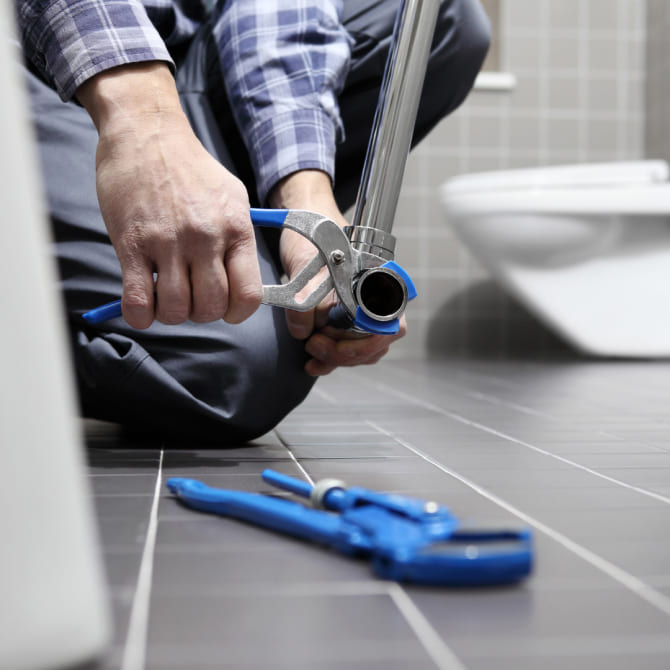
Experts strongly recommend professional installation for wet rooms. Poor tanking can lead to damp, mould, and structural damage. This is often expensive to fix and difficult to detect until significant harm occurs.
Pros and Cons Comparison
What Are the Disadvantages of Walk-In Showers?
- Temperature: With no enclosing door, warm steam escapes more readily. In cooler bathrooms, this can make the showering experience feel less comfortable, particularly in winter months.
- Privacy: Without a door or curtain, walk-in showers offer less visual privacy if someone enters the bathroom unexpectedly.
- Water containment: If the glass panel configuration is not well planned, water may escape beyond the shower zone. Proper screen sizing and positioning are essential.
What Are the Disadvantages of a Wet Room?
- Higher installation cost: Tanking, floor grading, and structural preparation are more expensive than for a walk-in shower installation.
- The whole bathroom gets wet: Without a contained shower zone, more of the bathroom floor — and potentially the walls — are exposed to water spray. This makes careful planning of sanitaryware and accessory positions critical.
- Running costs: Some users compensate for the absence of an enclosure by running underfloor heating or additional radiators to maintain a comfortable temperature, which can increase energy use.
- Resale considerations: Not every buyer will want a wet room, which may be a factor if you plan to sell in the near future.
Maintenance and Cleaning
Day-to-day maintenance for wet rooms vs walk-in showers is manageable with the right habits in place.
For walk-in showers, keeping the glass panels clear is the main task. Many panels now come with factory-applied easy-clean coatings — the Kudos 10mm Ultimate 900mm Wetroom Glass Panel, for example, features Life Shield protection glass to help repel soap scum and reduce cleaning time. One customer review confirms: “Really love this shower screen from Kudos, the quality is superb… Very pleased with the product and the service from ShowerstoYou.”
Wet rooms simplify cleaning overall, because fewer ledges and joins give grime fewer places to accumulate. The floor drain will need regular cleaning to remove soap residue, limescale, and hair. A drain with an easy-access trap and hair strainer makes this considerably more straightforward.
Good ventilation matters for both, helping the room dry out quickly and preventing mould. An extractor fan is recommended in any enclosed bathroom; US guidance in Approved Document F specifies minimum intermittent extraction rates of around 15 litres per second.
If you prefer a sleek, contemporary wet room panel that combines easy maintenance with a bold finish, the Scudo S8 700mm Brushed Brass Wetroom Panel is worth considering. A verified customer describes it simply: “The product was of excellent quality and looks lovely.”
For those who want the versatility of a sliding door combined with a wet room panel design, the Scudo S8 Momentum Sliding Wetroom Panels offer a hybrid solution — combining the minimalist aesthetic of a wetroom panel with the practical containment of a sliding door mechanism. Available in Chrome, Matt Black, Brushed Brass, Brushed Bronze, Gunmetal, and Brushed Nickel finishes.
Which Should You Choose?
The right answer depends on your bathroom, your budget, and how you use the space.
Choose a walk-in shower if you want a modern, low-maintenance option that is simpler to install, more affordable, and better at retaining heat within the shower zone. It suits bathrooms of most sizes and works particularly well where floor depth or structural changes are not practical.
Choose a wet room if you want the most open, accessible, and visually uninterrupted bathroom design possible. It is the better option for wheelchair users and for those prioritising a true floor-level finish. Budget accordingly for professional installation and tanking.
Both wet rooms and walk-in showers will transform your bathroom compared to a traditional enclosed shower. The key is matching the right option to your specific situation — space, budget, lifestyle, and who is using the bathroom.
Browse our full range of walk-in shower enclosures and wetroom panels at Rockaya Global, or contact our team for expert advice on finding the right solution for your bathroom.